Treat Your Website Like a Houseplant, Not a Firework
There's a pattern I've noticed after years of watching friends build personal websites. Someone gets inspired, buys a domain, spends three weekends obsessing over fonts and hero sections, launches with a triumphant post — and then you never hear about the site again. Six months later the domain quietly lapses.
Meanwhile, the people whose sites I actually return to year after year? Their sites are kind of unremarkable on day one. Modest design, a handful of pages, maybe an about section with a slightly awkward photo. But they're alive. Things change. Things get added. The site and the person grow in sync.
The difference isn't talent or budget. It's the model in your head. Fireworks or houseplant.
The Firework Trap
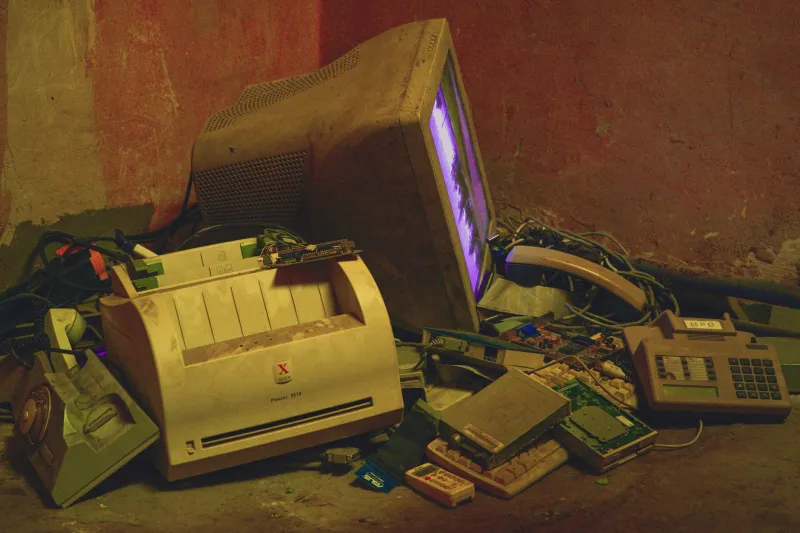
The firework model treats a website as an event. You see it everywhere in tech culture: the launch mindset, the Product Hunt debut, the "new portfolio, who dis" post. All that energy goes into a single moment, and once the moment passes, there's nothing left to do. A site built as an event has no ongoing job, so it stops.
This is especially common for US professionals, because we're trained to think of everything as a launch. Job hunting? Update the resume, blast it out. Networking? One good conference sprint. We do sprints, not seasons. But a personal site isn't a sprint. It's closer to a 401(k): small consistent contributions, compounding quietly over years.
The Houseplant Model
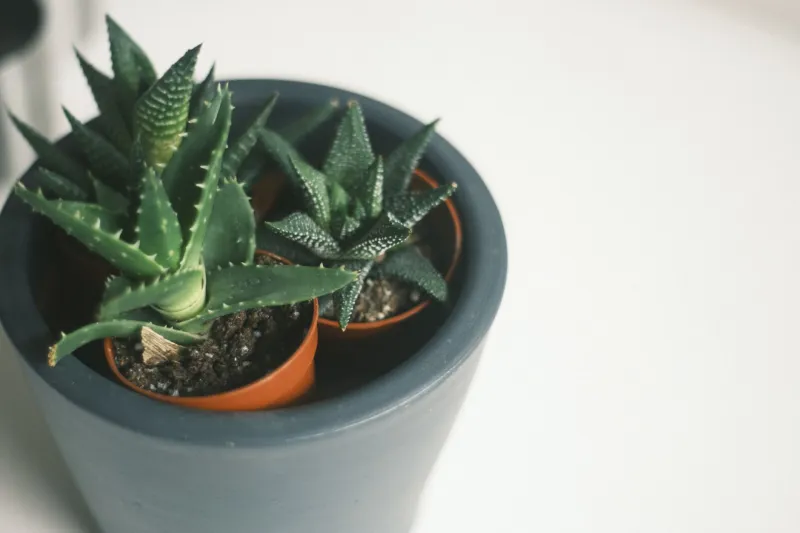
A houseplant doesn't ask for much. Water it now and then. Repot it when it outgrows the container. Occasionally trim something dead. The reward isn't a single dramatic moment — it's the slow satisfaction of watching something become more itself over time.
Concretely, here's what the houseplant model looks like for a personal site:
Water it on a schedule you can actually keep. Not daily. Not even weekly, necessarily. I write something for my site roughly twice a month, and that cadence has survived three job changes. A schedule you abandon in February is worth less than a lazy one you keep in December.
Repot when you outgrow the design. Your site should be redesigned when it stops fitting who you are, not when design trends change. Mine has had the same basic skeleton for years. I've swapped the pot a few times — new typeface, reorganized the projects page — but the plant is the plant.
Trim the dead stuff. Broken links, stale bios, that 2019 blog post pitching a service you no longer offer. Ten minutes a month with a link checker does more for a site's credibility than any redesign.
Let it grow in weird directions. The best personal sites have odd corners — a page about a hobby, an annual review, a list of things the owner changed their mind about. These aren't distractions from your "personal brand." They're the reason anyone comes back.
Design Decisions That Age Well
If you want a site that survives, make the boring choices. Static site or simple CMS — something you can update from your phone in a pinch. Fast hosting that doesn't cost more than lunch. A design with, at most, two fonts and one accent color. Every fancy dependency is a future breakage you're scheduling for your future self, who will be busy and unmotivated.
And please, make publishing easy. If adding a post requires opening a terminal, running a build, and pushing to a deploy pipeline, you will stop. My bar is: I should be able to publish a thought in under five minutes, on my couch, slightly tired. Friction is the silent killer of personal sites.
Content Strategy for People Who Aren't Content Machines
You don't need a content calendar with 52 planned posts. You need a place to put things you were going to think about anyway. Notes from a conference. A mini postmortem on a project that went sideways. A recommendation you keep making in DMs and might as well write down once.
The trick is to capture, not compose. Most of my posts start as three bullet points in my notes app, written the same day the thought occurred. Later — sometimes much later — the bullets become a post. The site becomes an extension of your memory instead of another publication to feed.
The Long Game
Here's what nobody tells you about a site that lasts: its value doesn't come from any single piece on it. It comes from continuity. A hiring manager who finds your site and sees five years of thinking has learned something no resume can convey. A reader who's followed along for a while trusts you in a way no social platform can manufacture.
So skip the launch party. Plant something small, water it on a schedule you can keep, and let it get a little weird over the years. Fireworks are great, but nobody ever described a firework as "I've had it for a decade."