Nobody Assigned Me a Deadline, and That Changed Everything
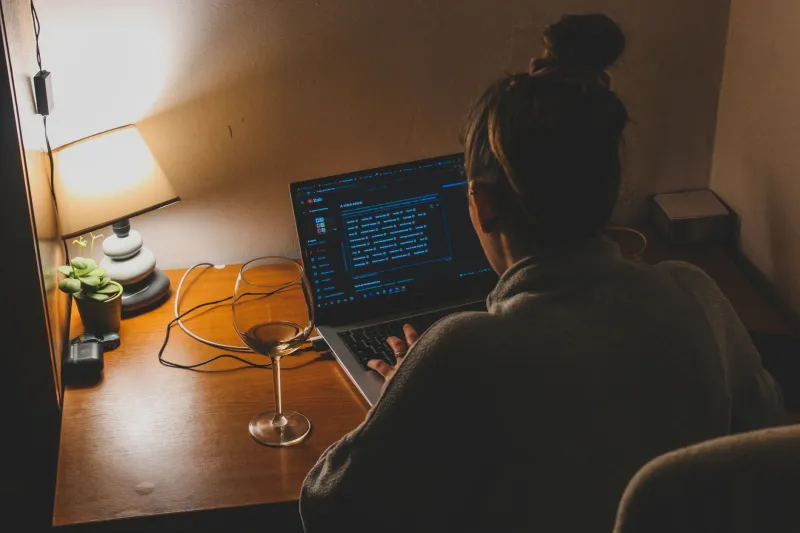
Every job I've ever had came with guardrails. A sprint plan. A stakeholder. A ticketing system that told me what mattered and when. And honestly? That structure worked. I shipped things. I got promoted. I learned a lot.
But here's the thing nobody tells you: the skills that make you good at your job are not the same skills that make you interesting. For that, I had to build things nobody asked for.
The First Project Was a Disaster (and That Was the Point)
My first real side project was a recipe app for a very specific problem: my mom's handwritten recipe cards were falling apart, and I wanted to digitize them. Sensible, right? Except I spent four months architecting a database before I had a single working screen. I picked the trendiest stack at the time, rewrote the whole thing twice, and eventually abandoned it when a new framework dropped and I got distracted.
Classic. Every developer I know has a version of this story.
What that failure taught me was more valuable than anything I learned in a performance review: nobody was coming to hold me accountable. At work, momentum is manufactured by meetings and deadlines. On your own stuff, motivation has to come from somewhere internal. If the project doesn't matter to you on a Tuesday night after work, it dies. Mine died.
Motivation Is a Systems Problem, Not a Willpower Problem
The second project went better because I changed the rules. Instead of building what I thought would impress people, I built a tiny tool that scanned my email receipts and tallied up my monthly subscription spending. It took three weekends. It was ugly. It worked.
The difference wasn't discipline — it was scope. I had learned (the hard way) to optimize for finishing instead of for impressing. A few things that made that shift possible:
- Ship something in two weeks or kill it. If a project idea can't produce a usable version in a fortnight, it's a fantasy, not a project.
- One user is enough. That user is me. If I use it, it's a success regardless of what anyone else thinks.
- Ugly and done beats elegant and abandoned. Every single time.
That little receipt tool is still running. It has saved me real money. Nobody has ever seen it, and that's fine.
Letting Go of Perfectionism, One Ugly Launch at a Time
The perfectionism problem is sneaky because it disguises itself as professionalism. At work, polish is rewarded. On personal projects, polish is often just fear wearing a nice outfit.
I proved this to myself when I finally launched a small writing newsletter I'd been sitting on for over a year. I'd written nine drafts of the first issue. Nine. When I finally hit send on draft number ten, the world did not end. A dozen people opened it. Three replied. One of those replies turned into a freelance client that same month.
The gap between "ready" and "shipped" is where most personal projects go to die. Closing that gap — even once — rewires something in your brain. You start to see your own perfectionism for what it is: a delay tactic with good branding.
What Jobs Can't Teach You
Here's my honest case for side projects as professional development:
- You learn to make decisions without consensus. At work, decisions are diffused across teams and meetings. Alone, every choice is yours, which means every mistake is yours too. That's where real judgment comes from.
- You learn what you actually like. Not what the org chart says you do — what you voluntarily do at 10pm on a Sunday.
- You build proof, not credentials. A live URL beats a bullet point. I've had more conversations start with "I saw your project" than with "I saw your résumé."
- You get comfortable with abandonment. Not every project deserves to be finished. Knowing which ones to quit is a skill most careers never teach.
Start Embarrassingly Small
If you take one thing from this essay, make it this: your first side project should be almost comically small. A script that renames your photos. A one-page site about a hobby. A spreadsheet turned into an actual tool. The size doesn't matter — the completion does, because completion is a habit, and habits compound.
The recipe app for my mom? I rebuilt it last year in about six weeks, using everything I'd learned from three years of smaller, dumber, finished projects. She uses it every day. It's still not perfect.
It's done. That's better.